Mild to Moderate OSA
Patients with mild to moderate obstructive sleep apnea are often the most common candidates for this type of therapy.
Oral appliance therapy is a non-CPAP treatment option for selected sleep apnea patients. It uses a custom-fitted device worn during sleep to help keep the airway more open and reduce snoring or nighttime breathing obstruction.
Unlike a general mouthguard, oral appliance therapy is custom-fitted and used as part of a sleep medicine treatment plan. The device is designed to support the jaw and airway position during sleep so airflow can stay more stable.
This option is not right for every patient, but it can be a strong fit for some people with obstructive sleep apnea or persistent snoring, especially when comfort, travel, or CPAP tolerance is a concern.
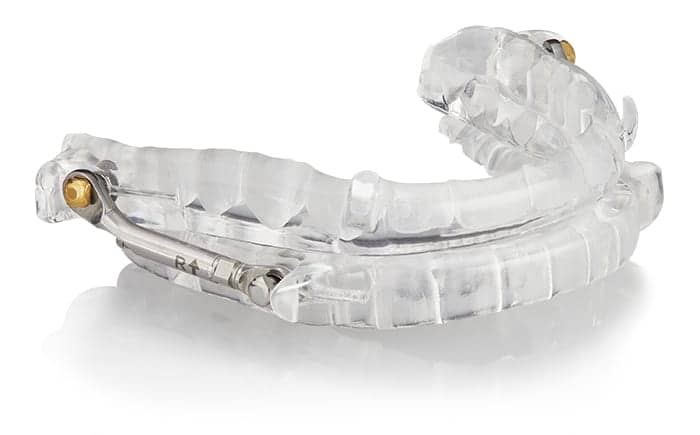
The best candidates are identified after a consultation and sleep apnea evaluation. Common scenarios include:
Patients with mild to moderate obstructive sleep apnea are often the most common candidates for this type of therapy.
Patients who have trouble tolerating CPAP may discuss whether oral appliance therapy could be a more workable option.
Patients whose snoring is disruptive may also be evaluated to see whether a custom oral device is appropriate.
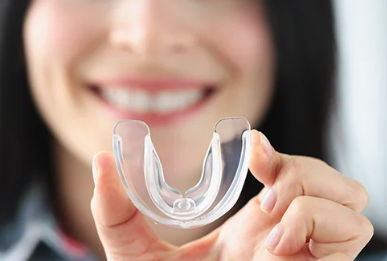
Your sleep study, symptoms, medical history, and treatment goals are reviewed to decide whether oral appliance therapy makes sense.
If appropriate, the next step is coordinating the fitting process for a custom device rather than using an over-the-counter mouthpiece.
Patients often need time and follow-up adjustments to balance comfort with treatment effect.
Follow-up visits help confirm whether symptoms are improving and whether repeat testing is needed to make sure the therapy is doing enough.
CPAP remains the standard treatment for many sleep apnea patients, especially when apnea is more severe. Oral appliance therapy may be discussed when CPAP is hard to tolerate or when the patient is a good candidate for an alternative approach.
Some patients still need weight-loss support, positional therapy, nasal care, or additional follow-up even when an oral appliance is used. The right plan depends on the whole sleep apnea picture, not just one device.
If you are exploring alternatives to CPAP for sleep apnea, these are some of the questions we hear most often.
Schedule Visit